
My first abaya arrived in the mail two sizes too big, and I wore it for a whole month before I admitted it looked more like a tent than a coat. That mistake taught me more about fit, fabric, and drape than any style guide ever could. An abaya isn’t just a black cloak you throw on to cover up — it’s a garment that can be tailored, layered, and styled as deliberately as any dress.
These days abaya design has moved way past the plain, boxy shape I grew up seeing. Designers are working with kimono sleeves, cape backs, blazer-style lapels, and fabric blends that actually breathe in hot weather. Whether you’re dressing for a wedding, the office, or a Tuesday grocery run, there’s a version of this garment built for it.
I’ve pulled together twenty design directions worth trying this year, plus the fabric and fit details I wish someone had told me before that oversized first purchase.
Where the Abaya Comes From
The abaya is older than most people realize. Loose, body-covering garments like it were worn across the Arabian Peninsula and Mesopotamia for practical reasons long before they carried religious meaning — the fabric shielded skin from sun, sand, and heat. The word itself comes from the Arabic for “cloak.”

Over time the garment took on cultural and religious significance tied to modesty, and it’s stayed a wardrobe staple across the Gulf, North Africa, and South Asia ever since. What’s changed is the range: today’s abaya can be a minimalist closed silhouette for the office or a beaded, cape-backed showpiece for a wedding.
Loose, body-covering garments similar to the abaya date back more than 4,000 years, worn by ancient Mesopotamian civilizations for protection from harsh desert conditions long before the style took on its modern religious and cultural meaning. Read more on Wikipedia’s abaya entry.
How to Pick an Abaya That Actually Fits Your Life
Before you fall for a design, check the fabric label. It matters more than the print or the sleeve shape.
Nida is a polyester or poly-cotton blend that’s light, breathable, and barely wrinkles — good for everyday wear and hot climates. Crepe is heavier with a slight crinkle texture and more structure, which makes it drape better for formal pieces but runs warmer. If the label lists a 65/35 polyester-cotton blend, that’s usually the sweet spot between wrinkle resistance and softness.

On sizing: abaya length should sit right at the ankle bone, not pooling on the floor or riding above it. If you’re between sizes, size up rather than down — a slightly loose abaya still reads modest and structured, while a tight one changes the whole silhouette and defeats the point of the cut. For sleeve length, arms should be fully covered even with your arm extended overhead; check this in the fitting room, not just standing still.
Care-wise, nida can go 2-3 wears between washes and handles a gentle machine cycle fine. Crepe and anything embellished should be hand-washed or dry-cleaned, and always ironed from the inside or under a cloth so beading and embroidery don’t melt or snag under direct heat. If you want to see how far abaya fabric and cut choices go, browse our roundup of the best abaya designers and brands worth knowing.
20 Latest Abaya Designs to Wear Right Now
1. The Open-Front Kimono Abaya Styled Over a Slip Dress
This is the design I reach for most now — it works like a duster coat, so you can layer it over a slip dress or matching separates underneath instead of wearing it as the whole outfit.

Belt it loosely at the hip, not the waist, to keep the kimono drape intact instead of collapsing it into a robe shape. Wear this to brunch, a daytime event, or anywhere you want the layers visible.
2. A Butterfly-Sleeve Abaya for Dramatic Movement
The butterfly sleeve is wide and dramatically flared, catching air and movement when you walk. It photographs beautifully but takes a bit of practice to move in without knocking things over.

Keep sleeve fabric to a lightweight crepe or chiffon so the flare doesn’t feel heavy on the arms. Save this one for events where you’re not doing hands-on tasks — weddings, dinners, photo-heavy occasions.
3. The Cape Abaya Layered Over a Plain Black Base
A cape abaya adds a flowing panel across the shoulders and back over a simpler base layer, giving you two visual layers without extra bulk around the arms.

Pair a plain, close-fitting base abaya underneath the cape so the cape’s movement stays the visual focus. This design reads formal enough for an evening event but isn’t as heavy as a fully embellished piece. It’s a close cousin to the flowing shapes in our kaftan abaya roundup, if you want more drape-heavy options.
4. Blazer-Cut Abaya With a Structured Lapel
Structured lapels and a defined shoulder line borrowed from blazer tailoring give this design a sharper, more professional look than a traditional flowing abaya.

Choose a mid-weight crepe with enough body to hold the lapel shape — thin nida will droop instead of sitting crisp. This is my go-to for client meetings or anywhere I want to look put-together fast.
5. Closed Nida Abaya for Everyday Wear
Not every abaya needs a statement. A closed, no-fuss nida abaya in a single dark colour is what actually gets worn on repeat — mine has survived three years of daily washes.

Buy this one a half-size larger than your usual fit since it’s meant for all-day comfort, not photos. Wear it for errands, school runs, or any day you want to get dressed in under two minutes.
6. Tonal Ivory Abaya for a Polished Daytime Look
Ivory and soft cream abayas read lighter and less severe than black without losing the polished effect. They do show marks faster, so fabric choice matters here more than usual.

Pick a stain-resistant poly-cotton blend rather than pure cotton if you’ll be eating or commuting in it. Wear this for daytime work events or warm-weather outings where black feels like too much.
7. Emerald Crepe Abaya for Evening Events
Jewel tones like emerald have moved into abaya fashion as an alternative to black for evening wear, especially in heavier crepe that holds its shape under venue lighting.

Match the hijab to a lighter shade of the same colour family instead of matching it exactly — a two-tone effect reads more intentional. Save this for dinners, receptions, and evening events with a dress code.
8. Beaded Cuff Abaya for Wedding Season
Detailed beadwork concentrated at the cuffs and neckline gives you the embellished look without covering the whole garment, which keeps the abaya lighter and easier to move in through a long event.

Hand-wash or dry-clean only — beaded cuffs will not survive a machine cycle. This is built for weddings, engagement parties, and formal celebrations.
9. Embroidered Neckline Abaya With Metallic Thread
Metallic thread embroidery around the neckline draws the eye upward and works especially well if you’re not wearing much other jewelry with the outfit.

Iron this piece inside-out on low heat to protect the metallic thread from scorching or dulling. Good for semi-formal gatherings, religious holidays, or family events.
10. Denim-Trim Abaya for a Casual Street Look
Denim panels or trim on an otherwise plain abaya give it a street-casual edge that pairs naturally with sneakers instead of heels.

Keep the denim trim to cuffs or hem only, not the whole garment, or the piece stops reading as an abaya and starts reading as a jacket. Wear this for casual outings, travel days, or running around a city.
11. Linen-Blend Abaya for Hot Summer Days
A linen-cotton blend breathes far better than crepe in real heat, though it wrinkles more — that’s the trade-off worth knowing before you buy.

Choose a linen blend with at least 20% polyester or rayon mixed in to cut down on wrinkling without losing the breathability. This is the one to pack for summer travel or outdoor daytime events. For more heat-specific fabric picks, check our summer abaya styling guide.
12. Velvet Abaya With Faux Fur Cuffs for Winter
Velvet holds warmth and adds visible texture, and faux fur trim at the cuffs or hood gives it a winter-specific finish that plain fabrics can’t match.

Steam rather than iron velvet to avoid crushing the pile. Wear it for cold-weather outings, winter holidays, or anywhere you’d normally reach for a heavy coat.
13. Printed Floral Abaya for Spring Outings
Floral prints break away from solid colour entirely, usually in lighter cotton or nida bases that suit spring weather.

Pick a small or medium-scale print rather than an oversized floral if you’re petite — large prints can overwhelm a smaller frame. Wear this for garden parties, brunches, or spring family gatherings.
14. Belted Abaya to Define the Waist
A fabric or leather belt at the natural waist adds shape to an otherwise straight silhouette without changing the coverage at all.

Belt at your natural waist, not your hip, if you want the defining effect — hip belting just adds bulk. Good for any occasion where you want a more tailored silhouette without a fitted cut.
15. Coat-Style Abaya for the Office
Cut like an open coat with structured shoulders, this design reads as professional outerwear rather than traditional modest wear, which makes it an easy pick for corporate settings.

Choose a matte, non-shiny crepe for office wear — satin finishes read more evening than daytime. Wear this over trousers or a matching set for meetings and workdays.
16. Abaya With Detachable Hijab Set in Matching Fabric
A matching hijab that’s sold as part of the set (but styled separately, not sewn on) gives you a coordinated look without the restriction of an attached hood.

Pin the hijab under the chin rather than at the side for a cleaner line that matches the abaya’s structure. Works for almost any occasion since the pieces can be re-styled independently later.
17. Two-Tone Colour-Block Abaya
Two contrasting panels — often black paired with a jewel tone or ivory — break up the silhouette visually without any print or embellishment.

Keep the darker tone on the outer panels if you want a slimming effect, since the eye follows the lighter block inward. Wear this for daytime events where you want something a step up from plain black. Colour-blocking shows up a lot in Turkish abaya styling too, if you want more inspiration in that direction.
18. Abaya With Side Slits Over Wide-Leg Pants
Side slits let you layer the abaya over wide-leg trousers or a matching co-ord set, turning it into outerwear rather than the entire outfit.

Keep slits below hip level so the coverage stays intact while you’re seated. Good for travel, layered daytime looks, or anywhere you want visible trousers underneath. If you like this layered direction, our guide to styling an abaya with jeans covers even more ways to wear it as outerwear.
19. Teen-Friendly Abaya in Soft Pastel Tones
For younger teens still building their modest wardrobe, softer pastel tones and simpler cuts tend to get worn more than heavily embellished pieces that feel too formal for school or casual outings.

Choose a wash-and-wear nida in pastel pink, lilac, or sage so it survives regular school-week wear. Good for school, casual family outings, or a first abaya that isn’t intimidating to style.
20. Sequin-Trim Abaya for New Year and Eid Celebrations
A sequin trim concentrated along the hem or cuffs adds sparkle for celebration days without turning the whole garment into a costume piece.

Dry-clean only, and store it flat rather than folded, so sequins don’t crack or fall off in storage. Save this one for Eid, New Year’s, and other celebration days.
Dos & Don’ts When Shopping for an Abaya
Frequently Asked Questions
How do I stop static cling on a nida abaya in winter?
Nida is prone to static in dry winter air because it’s mostly polyester. A quick spray of water-diluted fabric softener on the inside lining, or rubbing a dryer sheet along the hem before wearing, cuts static within minutes. Wearing it over a slip or thin layer instead of directly over bare tights also helps.
What’s the difference between nida and crepe, and which drapes better?
Nida is lighter and more fluid, so it moves with you and works better for everyday wear. Crepe is heavier with a slight texture and holds structure better, which is why it’s favored for formal or tailored designs like blazer-cut or cape abayas. If you want visible drape and movement, go nida; if you want a piece that holds its shape, go crepe.
How do I keep a black abaya from fading after repeated washing?
Wash it inside out in cold water and skip the dryer — line-dry in shade instead of direct sun, which is the main cause of black fabric turning grey or brownish over time. Washing every 2-3 wears rather than after every single wear also slows fading significantly.
What size should I buy if I’m between a Small and Medium?
Go with the Medium. Abaya sizing runs on length and shoulder width more than body measurements, and a slightly longer or looser fit still reads intentional, while a too-small one pulls across the shoulders and shortens at the hem faster than expected after a few washes.
Can I wear an open-front abaya to a formal event, or is it too casual?
It depends what’s underneath. An open-front abaya over a matching structured dress or a beaded slip reads formal; over jeans and a t-shirt it reads casual. The abaya style itself isn’t the deciding factor — the coordination underneath is.
How do I stop a wide kimono sleeve from dragging through things when I cook or drive?
Look for a kimono abaya with an elastic or button cuff option for daily wear, or simply roll and pin the sleeve loosely at the wrist when you’re doing hands-on tasks. Reserve the fully open, dramatic sleeve version for occasions where you’re not cooking, driving, or doing manual work.
Key Takeaways
- Fabric matters more than print. Nida for everyday breathability, crepe for structure and formal occasions.
- Size up, not down. A slightly loose abaya holds its intended shape; a tight one changes the whole silhouette.
- Match the design to the occasion. Save butterfly sleeves and beaded cuffs for events, and keep closed nida styles in rotation for daily wear.
- Protect embellishment during care. Hand-wash or dry-clean beaded and embroidered pieces, and always iron from the inside.
- Layering changes everything. Open-front and side-slit styles work as outerwear over separates, giving you more outfit combinations from one piece.

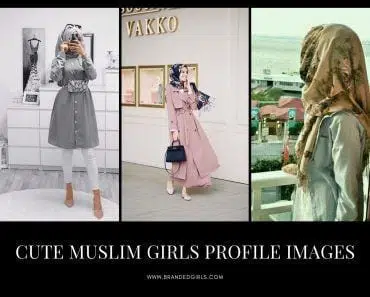





Indeed these are some beautiful designs of Abayas, I think they are not only good for Muslim females but also for western females for a reason that it prevents the skin from sun rays as well prevent the hairs from falling. And they cannot have the issue of style because these types of Abayas are a fashion itself.
really all design are very Amazing and wonderful keep sharing more design thank you
We appreciate that you took the time out for giving us such wonderful feedback.